Protect Your Home from Unwanted Guests with Expert Pest Control Largo FL Services

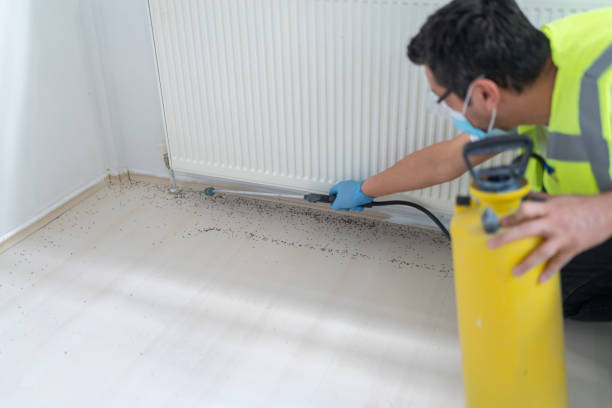
Pest Control Services Male Worker Spraying Insecticide With Sprayer At Home pest control stock pictures, royalty-free photos & images

Pests, whether large or small, pose significant risks to both your home and well-being. From termites gnawing away at your wooden structures to rodents contaminating your food supply, these unwelcome guests can cause damage that extends beyond what meets the eye. A proactive approach to pest management is essential, and here’s why you need a pest control champion for your home.

Effective Pest Control Services Largo FL: The Risks of Ignoring Infestations

  • Health Concerns: Pests such as cockroaches and rodents are known carriers of diseases like salmonella, hantavirus, and leptospirosis. Their droppings, saliva, and urine contaminate surfaces and air quality in your home.
  • Property Damage: Termites feed on wood relentlessly, while rodents may chew through wiring and insulation, increasing the risk of fires.
  • Food Contamination: Stored food supplies can quickly become tainted by pantry pests like weevils or ants.
  • Emotional Distress: The mere presence of pests in your living space can cause significant anxiety for families.

Why DIY Methods Are Often Insufficient

  1. Misidentifying the pest species or problem source.
  2. Using over-the-counter chemicals improperly.
  3. Overlooking breeding sites or hidden nests.
  4. Failing to break the pest life cycle.

A professional pest control service brings expertise and specialized tools necessary for effective long-term solutions.

What Does a Pest Control Champion Bring to Your Home?

A reliable pest control expert offers more than just extermination—they serve as champions for preventive care and sustainable solutions.

Key Benefits:

  • Comprehensive Inspection: Experts conduct thorough evaluations to identify entry points, nests, or structural vulnerabilities contributing to infestations.
  • Customized Treatment Plans: Unlike one-size-fits-all approaches used in DIY methods, professionals create targeted strategies tailored to specific pests infesting your home.
  • Safe Use of Chemicals: Certified exterminators use regulated pesticides that are safe for humans but lethal for pests.
  • Preventive Measures: Beyond extermination, professionals recommend steps like sealing cracks or improving ventilation to safeguard against reinfestation.

Table: Quick Comparison — DIY vs. Professional Pest Control

Aspect DIY Approach Professional Service
Effectiveness Temporary relief Long-term eradication
Expertise Limited Extensive knowledge
Safety Risk of misuse Safe application by certified technicians
Cost Lower upfront costs Higher upfront costs with better results

When Should You Call a Professional?

  • Repeated infestations despite using DIY treatments.
  • Structural damage such as sagging floors or holes in walls.
  • Allergic reactions from bites or droppings.
  • Strange smells indicating rodent activity or mold from moisture-loving pests like cockroaches.

Addressing these issues promptly with expert help prevents escalating problems that could lead to costly repairs later on: https://largopestcontrolfl7.wixsite.com/home

Final Thoughts

Your home should be a safe haven—not a refuge for pests. By partnering with a trusted pest control professional who prioritizes prevention alongside elimination strategies, you ensure lasting peace of mind while protecting what matters most: your health, family, and property.

Your Guide to Choosing the Best Largo FL Pest Control Company

Maintaining a pest-free home is essential for both health and comfort. Pests can cause structural damage, contaminate food, and even spread diseases. Effective pest management requires a strategic approach combining preventative measures, professional extermination services, and ongoing maintenance.

Key Elements of Effective Pest Management

  1. Conduct a thorough inspection of your property to identify the type of pest infestation.
  2. Look for signs such as droppings, gnawed wires or furniture, discarded wings (from termites), or scratching noises in walls.
  3. Proper identification is crucial since treatment methods vary significantly for different pests.
  4. Prevention is the first line of defense against pests. Implement these key strategies:
  5. Seal cracks, gaps, and openings in walls or windows to limit entry points.
  6. Store food in airtight containers to avoid attracting rodents or insects.
  7. Keep the house clean by promptly clearing crumbs or spills.
  8. Regularly dispose of garbage and ensure trash bins have tight-fitting lids.
  9. Targeted Treatment Once you’ve identified the pests and problem areas:
  10. Choose treatments that are specific to the species you’re managing (e.g., baiting systems for termites versus sprays for ants).
  11. Avoid excessive reliance on over-the-counter sprays as they often provide only short-term relief.
  12. Professional Extermination Services Professional exterminators bring expertise and advanced techniques to eliminate pests effectively. Here are some benefits of hiring experts:
  13. Access to specialized equipment such as heat treatments for bed bugs or fumigation for severe infestations.
  14. Use of eco-friendly chemicals that minimize environmental impact but remain highly effective against pests.
  15. Knowledgeable recommendations on preventing recurring issues.

Choosing Professional Extermination Services

Criteria Questions You Should Ask
Licensing & Certification Are they licensed and certified by relevant authorities?
Experience How many years have they been in operation? Do they specialize in a particular type of pest control?
Guarantee Do they offer guarantees or warranties on their work?
Safety Practices Are their methods safe for children, pets, and the environment?
Reviews & References Can they provide references from previous clients? Are online reviews positive?

Advantages of Ongoing Maintenance Plans

Pest control doesn’t stop after initial treatment—regular maintenance ensures lasting results.

The benefits include:

– Routine inspections prevent minor infestations from growing into major issues.

– Seasonal treatments address specific pest activities (e.g., ants in summer; rodents seeking warmth during winter).

– Peace of mind knowing your home remains protected year-round.

Signs It’s Time To Call In The Professionals

Some situations demand expert assistance rather than DIY efforts:

– Persistent infestations despite using over-the-counter products.

– Evidence of structural damage caused by termites or carpenter ants.

– Health risks linked with certain pests like cockroaches (allergens) or rats (disease transmission).

By integrating proactive measures with skilled extermination services, homeowners can effectively manage pests while ensuring safety and comfort indoors year-round.

Your Guide to Effective Pest Management and Professional Extermination Services

Effective pest management is not just about addressing a pest problem but also about preventing future infestations. Whether you are dealing with insects, rodents, or other pests, understanding the steps involved in proper pest control and the value of professional extermination services is crucial. Here’s a detailed guide to help you manage pests efficiently.

The Pillars of Effective Pest Management

  1. Inspection and Identification
    Before tackling any pest issue, it is important to inspect your property thoroughly. This involves:
  2. Identifying entry points such as cracks, gaps, or improperly sealed doors/windows.
  3. Locating signs of infestation like droppings, chew marks, nests, or unusual odors.
  4. Identifying the type of pest for targeted treatment (e.g., ants vs. termites).
  5. Preventive Measures
    Prevention forms the core of any successful pest management strategy. Some key practices include:
  6. Sealing entry points with caulk or weatherstripping.
  7. Storing food in airtight containers to prevent attraction.
  8. Regularly cleaning household surfaces and removing clutter.
  9. Active Control Methods
    Once an infestation is identified, active measures are needed for eradication:
  10. Using bait stations specifically designed for pests like rodents or cockroaches.
  11. Applying eco-friendly pesticides in areas of heavy activity (preferably done by professionals).
  12. Installing barriers such as screens on windows and vents.
  13. Monitoring and Maintenance
    Pest control requires ongoing attention even after an infestation has been resolved:
  14. Conduct regular inspections to ensure no signs of re-infestation.
  15. Keep outdoor areas free from standing water that can attract mosquitoes.
  16. Trim vegetation away from structures to reduce hiding spots for pests.

The Role of Professional Extermination Services

Benefits Description
Expertise Professionals are trained to identify and address different types of infestations effectively.
Advanced Tools They use industry-grade equipment and treatments not available in retail settings.
Long-Term Solutions Professionals often provide solutions aimed at preventing re-infestation over time.
Safety Assurance Proper handling of chemicals ensures the safety of people, pets, and the environment.

When Should You Call a Professional?

  • Persistent infestations despite repeated attempts at removal.
  • Structural damage caused by termites or wood-boring insects.
  • Health risks posed by dangerous pests such as venomous spiders or disease-carrying rodents.
  • Large-scale infestations that spread quickly beyond manageable boundaries.

By combining proactive prevention measures with expert assistance as needed, homeowners can ensure effective pest management while maintaining a safe and comfortable living environment.

The Exterminator’s Arsenal: Strategies Beyond the Simple Spray for Total Pest Elimination

Effective pest control involves more than just grabbing the nearest can of bug spray. Professional exterminators rely on a comprehensive and strategic approach to address infestations, ensuring long-term solutions while minimizing risks to health and the environment. This section explores the tools, techniques, and strategies used by pest control experts to achieve total pest elimination.

Pest control worker in protective suit and mask spraying chemical over house window Pest control worker inside the house. Exterminator wearing white protective suit, mask and goggles holding yellow sprayer bottle and spraying insecticide over window sill in modern living room at home pest control stock pictures, royalty-free photos & images

Integrated Pest Management (IPM)

  • Identification: Identifying the specific pest species to tailor control measures effectively.
  • Prevention: Removing factors that attract pests, such as food sources, moisture, or access points.
  • Monitoring: Using traps or inspections to track pest activity and adjust strategies as needed.
  • Control Measures: Employing physical barriers, biological controls, or chemical treatments based on the severity of infestation.

By emphasizing prevention over reactive treatments, IPM reduces reliance on chemicals and fosters long-term solutions.

Advanced Tools in Pest Control

Tool Purpose
Bait Stations To attract pests like rodents or ants with slow-acting poison.
Sprayers & Foggers For targeted application of pesticides in hard-to-reach areas.
Vacuum Systems To physically remove pests such as bed bugs from infested surfaces.
Infrared Cameras To detect hidden nests or colonies behind walls or inside structures.
Sealing Equipment To block entry points that pests might use to invade your home.

These tools allow professionals to address both current infestations and prevent future ones effectively.

Eco-Friendly Solutions

  • Biological Controls: Introducing natural predators (e.g., ladybugs for aphids) to reduce pest populations.
  • Botanical Pesticides: Derived from plant-based ingredients like neem oil or pyrethrum.
  • Traps with Minimal Impact: Non-toxic traps that capture pests without harming pets or wildlife.
  • Green Sealants & Barriers: Using eco-friendly materials to seal entry points in homes.

These environmentally-conscious methods are not only safer for humans but also support local ecosystems by reducing chemical runoff.

Targeted Chemical Applications

  1. Spot Treatments: Applying pesticides directly to problem areas rather than widespread spraying.
  2. Gel Baits: Placed in cracks and crevices where pests congregate (e.g., cockroaches).
  3. Residual Sprays: Designed for long-lasting effects on surfaces frequented by insects.
  4. Dust Formulations: Used in voids like wall cavities where pests hide but humans rarely access.

By using targeted applications instead of blanket sprays, professionals minimize environmental impact while achieving maximum effectiveness.

Advantages of Professional Strategies Over DIY Methods

  • Professionals understand how certain pests behave—such as nesting habits—which allows them to apply treatments where they are most effective.
  • They can identify early signs of infestation before they become unmanageable.
  • Experts have access to commercial-grade products not available for public purchase.

A comprehensive strategy goes beyond extermination, addressing root causes while ensuring infestations do not return—offering peace of mind that DIY methods cannot match.

Pest control today is about innovation paired with expertise—not simply spraying chemicals indiscriminately but delivering tailored solutions for long-term results in a safer way.

Effective Pest Removal Largo FL: Knowing When DIY Methods Fall Short

Pest control is a necessary part of maintaining a safe and healthy living environment. While some homeowners may feel confident tackling minor pest issues on their own, there are scenarios where do-it-yourself (DIY) methods are not effective or sufficient. Knowing when to call in professionals can make the difference between a manageable situation and a full-blown infestation.

When DIY Falls Short

  1. If pests return despite repeated use of sprays, traps, or other treatments, this is often a sign that you’re addressing symptoms rather than the root cause.
  2. Professional exterminators have the expertise to identify hidden nests, entry points, and environmental factors driving infestations.
  3. You may come across pests that you cannot identify, making it difficult to choose the right treatment method.
  4. Misidentification could result in using ineffective techniques that allow the problem to escalate further.
  5. Minor pest issues like spotting a few ants or flies can sometimes be managed with DIY solutions. However, if you’re noticing large numbers of pests—such as cockroaches scattering when you turn on lights—it’s time for expert intervention.
  6. Termites and carpenter ants pose significant risks to your home’s structural integrity. If there is evidence of wood damage or hollow-sounding beams, immediate action is required.
  7. Some pests carry pathogens or allergens that can compromise your health (e.g., rodents spreading diseases through droppings). Attempting to handle these infestations without proper protective equipment can expose you to harm.

Why Professional Exterminators Excel

Aspect DIY Methods Professional Extermination
Expertise Limited understanding Trained technicians with experience in pest behavior and biology
Tools & Techniques Basic traps & sprays Advanced tools like bait stations, fumigation methods, and heat treatments
Long-Term Solutions Temporary fixes Root-cause analysis and prevention strategies

Signs That It’s Time for Professionals

  • You’ve Tried Multiple Products Without Success: Persistent presence of pests after trying different traps or chemicals suggests deeper problems.
  • Widespread Damage: Visible damage to furniture, wiring insulation (from rodents), or plant life (caused by invasive insects).
  • Time Constraints: Managing an infestation requires significant time and effort; if this isn’t feasible for your lifestyle, outsourcing makes sense.
  • Pests Resisting Common Treatments: Some infestations involve pests like bed bugs that have developed resistance to over-the-counter pesticides.

Benefits of Acting Quickly

  • Fast action reduces risks associated with health hazards from contaminated surfaces.
  • Professionals ensure correct pesticide application without endangering your family or pets.
  • They implement preventative measures designed for long-lasting results.

By understanding when DIY methods are no longer adequate and acting swiftly in such cases, homeowners can protect their property and loved ones effectively from escalating pest threats.

Your Ultimate Guide to Hiring an Expert Exterminator Largo FL

When faced with a pest infestation, hiring a professional exterminator is often the most effective solution. However, not all exterminators provide the same level of expertise and service quality. Choosing the right professional requires careful consideration to ensure your pest problem is handled comprehensively and safely. Here’s a guide to help you separate skilled professionals from less reliable operators.

Key Traits of a Professional Exterminator

  • Certification and Licensing: Ensure that the exterminator holds proper certifications and meets local licensing requirements. This guarantees compliance with safety standards and regulations.
  • Experience: Years of experience in handling various pests (e.g., rodents, termites, bed bugs) demonstrate an expert’s ability to manage complex infestations.
  • Transparent Pricing: Professionals clearly outline pricing structures upfront without hidden charges or ambiguous fees.
  • Knowledgeable Assessment: A competent exterminator conducts thorough inspections to identify not only visible infestations but also underlying causes or vulnerabilities in your home.
  • Use of Integrated Pest Management (IPM): Experts rely on eco-friendly strategies such as Integrated Pest Management, prioritizing long-term prevention over excessive chemical use.

Warning Signs of Subpar Services

  1. Lack of Credentials – Avoid working with individuals who cannot provide evidence of certification or licensing.
  2. Overuse of Chemicals – Professionals use chemicals judiciously rather than relying solely on sprays as a quick fix.
  3. Vague Communication – Beware of businesses reluctant to offer details about their methods or unwilling to answer your questions thoroughly.
  4. Unrealistic Promises – Claims like “100% elimination in one visit” can be misleading since effective pest control often requires follow-up treatments.

Questions to Ask Before Hiring

Question Why It Matters
Are you licensed and insured? Verifies credibility and protects against liability issues
What types of pests do you specialize in? Helps determine expertise in handling specific problems
What’s included in your treatment plan? Sets expectations for scope and duration
Do you offer follow-up services or guarantees? Assures commitment to long-term results
Are your methods safe for pets/children? Ensures household safety during treatments

Comparing Estimates

When gathering quotes from multiple companies, consider more than just cost alone—factor in quality indicators such as customer reviews, warranty offers, and detailed service descriptions provided by each exterminator.

Company Name Estimated Cost Warranty Provided Safety Measures
ABC Pest Control $250-$400 6-month guarantee Eco-friendly solutions
XYZ Extermination $200-$350 No warranty; recommends re-treatment Chemical-focused treatments

Final Considerations

Investing time into researching exterminators pays off by ensuring competent handling of pests while protecting both household health and structural integrity over time. Opting for professionals who exemplify transparency, expertise, environmental responsibility ensures peace-of-mind-effective resolution tailored directly toward unique home needs.


Safe and Effective Pest Control Largo FL: Protecting Your Family and Pets

Pest control treatments often involve the use of chemicals designed to eliminate or deter pests effectively. However, understanding the potential impacts of these substances on your family, pets, and the environment is crucial to ensuring safety while addressing pest issues. When planning pest control interventions, it’s essential to distinguish between safe practices and those that could pose unnecessary risks.

The Different Types of Pest Control Chemicals

  • Insecticides: Target insects such as ants, cockroaches, mosquitoes, and fleas.
  • Rodenticides: Designed to manage rodent populations like rats or mice.
  • Fungicides: Used against molds or fungi that may grow in damp areas.
  • Herbicides: While more common in gardening applications, some pest control services use these to remove invasive plants attracting pests.

Each type has distinct active ingredients that contribute to its efficacy but may also have differing levels of toxicity.

How Chemicals Can Impact Humans and Pets

  • Children: Their smaller bodies and developing systems make them more vulnerable if exposed to residual chemicals on floors or furniture.
  • Pets: Dogs and cats often come into direct contact with treated surfaces through licking or grooming behaviors.
  • Individuals with Allergies/Sensitivities: Certain pest control substances can exacerbate respiratory conditions or skin irritations.

Safer Options for Families with Pets

  1. Diatomaceous earth for ants and bedbugs
  2. Essential oils like peppermint (repellent effects)
  3. Enclosed bait stations reduce the risk of accidental ingestion compared to liquid sprays.
  4. Seek options labeled “low toxicity” or “pet-friendly.”

Best Practices for Reducing Risk During Treatments

  • Relocate pets temporarily during treatment sessions.
  • Cover pet bedding, toys, food bowls, and water dishes before application.
  • Wait until treated surfaces are fully dry before reintroducing family members or animals into the area.
Safety Measure Recommended Timeframe
Relocating children/pets 24–48 hours (depending on chemical used)
Ventilation after indoor treatment Minimum 2 hours
Cleaning exposed surfaces Wipe down countertops/floors post-treatment

Understanding Labels and Product Information

  1. Look for warnings regarding human/pet safety.
  2. Research active ingredients—commonly safer ones include boric acid (for ants/roaches) or Spinosad (for fleas).
  3. Ensure compliance with EPA-approved guidelines for residential areas.

By staying informed about exterminator chemicals’ potential impacts and implementing thoughtful safety measures during pest control treatments, homeowners can protect both their loved ones and the environment while effectively addressing infestations.

Choosing the Right Largo FL Pest Control Company for Safer Insecticide Use

When it comes to pest control, understanding the chemicals at work can help ensure the safety of your household while effectively managing infestations. Common insecticides used in pest control vary in their active ingredients, modes of action, and potential risks. By learning more about these products, you can make informed decisions that balance pest elimination with health and environmental safety.

Active Ingredients in Common Insecticides

  1. Synthetic chemical compounds that mimic natural pyrethrins derived from chrysanthemum flowers.
  2. Often used in sprays, foggers, and powders.
  3. Effective against a wide range of insects such as mosquitoes, ants, and cockroaches.
  4. Low toxicity to mammals but can be harmful to aquatic life if improperly disposed.
  5. Widely used in agricultural pest control but less common for residential use due to potential health risks.
  6. Acts by disrupting the nervous systems of insects.
  7. Examples include malathion and chlorpyrifos.
  8. Target insect nervous systems with high specificity.
  9. Commonly used for controlling aphids, whiteflies, and beetles.
  10. Reduced risk for humans when applied correctly but controversial due to links with declining bee populations.
  11. Primarily used against fleas, termites, ticks, and ants.
  12. Works by disrupting insect central nervous system activity.
  13. Moderate toxicity level; should always be applied following label instructions.
  14. A naturally occurring compound effective against cockroaches, ants, and termites.
  15. Low toxicity level for humans when handled properly.
  16. Works by damaging the exoskeletons of pests or disrupting their digestive systems.

Choosing Safer Options

  • Opt for products labeled as “low-toxicity” or “pet-safe” if you have children or pets at home.
  • Consider botanical-based options (e.g., those containing neem oil or pyrethrins), which may pose fewer risks than synthetic chemicals.
  • Always review product labels thoroughly before purchasing or using any pesticide.
Active Ingredient Primary Use Relative Safety Level Environmental Impact
Pyrethroids General insect control Moderate Harmful to aquatic life
Boric Acid Ants & cockroaches Low Minimal
Fipronil Termites & fleas Moderate Persistent in soil
Neonicotinoids Aphids & whiteflies Moderate Linked to pollinator decline

Tips for Safer Pest Control Practices

  • Follow Manufacturer Guidelines: Always adhere strictly to application instructions provided on product labels. Overapplication increases human exposure risk without improving effectiveness.
  • Protective Gear: Wear gloves, masks, eye protection, and long-sleeved clothing during application to minimize skin contact or inhalation exposure.
  • Ventilation: Ensure adequate ventilation when applying indoor sprays or foggers; ventilate treated areas before reentering them with family members or pets.
  • Storage: Store pesticides securely out of reach from children and animals—preferably locked away.

By being aware of the active ingredients commonly found in pesticides and employing safe practices during their use, you can create an effective pest management strategy that prioritizes household health while maintaining efficient pest control outcomes.

Effective Pest Removal Largo FL: Understanding Common Insecticides and Their Active Ingredients

When it comes to pest control, understanding the active ingredients in commonly used insecticides is essential for ensuring safety and effectiveness. Not all insecticides are created equal, and knowing their composition can help you make informed decisions while reducing risks to your family, pets, and the environment.

Types of Active Ingredients in Insecticides

  1. Source: Pyrethrins are naturally derived from chrysanthemum flowers, while pyrethroids are synthetic versions.
  2. Mode of Action: These chemicals disrupt the nervous system of insects, leading to paralysis and death.
  3. Common Uses: Found in household sprays, foggers, and pet treatments like flea collars.
  4. Safety Notes: While generally safe in low concentrations for humans and pets, overexposure can cause skin or respiratory irritation.
  5. Source: Man-made chemical compounds.
  6. Mode of Action: Interfere with an enzyme critical for nerve function in insects.
  7. Common Uses: Once widely used in agriculture but now restricted due to health concerns.
  8. Safety Notes: Linked to potential long-term neurological effects; use has declined due to regulatory restrictions.
  9. Source: Synthetic derivatives inspired by nicotine.
  10. Mode of Action: Disrupt nicotinic acetylcholine receptors in insects’ nervous systems.
  11. Common Uses: Applied as soil treatments or foliage sprays for agricultural pests.
  12. Safety Notes: Controversial due to their potential impact on pollinators like bees.
  13. Source: Synthetic chemical mimics of natural insect hormones.
  14. Mode of Action: Prevent insects from maturing into adults or disrupt reproduction cycles.
  15. Common Uses: Effective against fleas, mosquitoes, and cockroaches without killing adult insects immediately.
  16. Safety Notes: Considered safer for humans as they target hormonal systems unique to insects.

Key Considerations for Safer Use

  • Read Labels Carefully: Pay attention to active ingredients listed on packaging. Look for products labeled as “low toxicity” where possible.
  • Use Targeted Solutions: Choose formulations specific to the pest you’re dealing with rather than broad-spectrum chemicals that may harm beneficial organisms like bees or earthworms.
  • Follow Application Guidelines: Over-application increases exposure risks without necessarily improving effectiveness.

Table: Comparison of Common Insecticide Safety Levels

Active Ingredient Toxicity Level (Humans/Pets) Environmental Impact Common Applications
Pyrethroids/Pyrethrins Low Moderate Home sprays/pet treatments
Organophosphates High High Agricultural use (limited today)
Neonicotinoids Moderate High Soil/foliage treatments
IGRs Low Low Flea/tick control products

Choosing Safer Alternatives

For those seeking environmentally friendly options:

– Opt for natural solutions such as diatomaceous earth or botanical oils (e.g., neem oil).
– Employ non-toxic traps wherever feasible before resorting to chemical measures.

Understanding active ingredients empowers homeowners to balance effective pest control with safety priorities at home.

Protecting Your Loved Ones with a Trusted Exterminator Largo FL for Effective Pest Control

Protecting your loved ones, including pets, during pest control treatments requires a thoughtful approach that prioritizes safety. While pest control is essential for maintaining a clean and healthy home environment, improper handling of chemicals can lead to risks. Below are guidelines and strategies to ensure the safety of your family and pets throughout the process.

Importance of Communication with Professionals

  • The chemicals they plan to use: Ask for specifics on pesticides’ toxicity levels and whether they pose risks to children or animals.
  • Application methods: Ensure they explain how treatments will be applied and the precautions they follow.
  • Re-entry times: Determine how long you, your family, and pets should stay out of treated areas.

Make sure the exterminator uses environmentally friendly solutions whenever possible or opts for Integrated Pest Management (IPM) techniques.

Preparing Your Home Before Treatment

  1. Store toys, pet bedding, food dishes, and water bowls in a safe space away from treatment zones.
  2. Cover food or store it in airtight containers. This prevents contamination by airborne pesticides.
  3. Arrange for temporary relocation of pets to a secure location outside the home.

Post-Treatment Safety Measures

  • Ventilate thoroughly: Open windows and doors to disperse chemical residues and allow fresh air circulation.
  • Wipe down countertops, tables, or other high-contact areas exposed during pesticide applications.
  • Follow re-entry instructions: Re-enter only after the recommended waiting period as advised by professionals.
Waiting Period Guidance Exposure Risk
Less than 2 hours Higher risk if inadequate ventilation
2–4 hours Reduced risk when combined with cleaning
24+ hours Safest re-entry period

Non-Chemical Safety Practices

In addition to chemical-based methods, consider alternative approaches such as Integrated Pest Management (IPM). IPM emphasizes long-term prevention through techniques like reducing access points for pests and utilizing traps instead of toxins. These practices are safer for homes with children or pets while still effectively managing infestations.

Key benefits of IPM include:

– Reduced exposure to harmful chemicals.

– Environmentally sustainable solutions.

– Minimal disturbance to daily routines.

Final Thoughts on Prioritizing Health While Controlling Pests

Managing pests does not have to come at the expense of your family’s health. By choosing safer products, working closely with professionals who prioritize safety measures, preparing spaces properly before treatments take place, and exploring non-toxic alternatives like IPM systems where applicable—homeowners can maintain both a healthy environment and peace of mind during pest management activities.

Essential Pest Control Services Largo FL: Safety Tips for Homeowners During and After Treatments

Before Treatment: Preparing Your Home

  1. Inform the exterminator about any family members or pets that may have sensitivities to chemicals.
  2. Discuss potential alternative treatment options if there are concerns about chemical usage.
  3. Store toys, bedding, food items, and utensils in sealed containers or remove them from treated areas.
  4. Move small appliances and furniture away from walls to provide better access for exterminators.
  5. Open windows or ensure proper ventilation paths ahead of time if recommended by the service provider.
  6. Relocate pets (including aquariums) temporarily during treatment.
  7. Remove pet bedding, food dishes, litter boxes, and any other items that could come into contact with pesticides.

During Treatment: Minimizing Exposure

  • Stay Out of Treated Areas
    Family members and pets should avoid entering areas being treated until the exterminator gives explicit clearance for re-entry.
  • Follow Professional Instructions
    Adhere strictly to guidelines provided by pest control professionals regarding timelines for returning home or accessing treated zones.
  • Protective Barriers for Plants
    Cover indoor plants or move them outdoors temporarily if they might be exposed to pesticides.

After Treatment: Ensuring Long-Term Safety

  1. Wait Before Re-entering Spaces
    Follow the recommended wait times before returning to treated rooms or reopening windows for ventilation.
  2. Clean Strategically
    While thorough cleaning is important:
  3. Avoid excessively scrubbing treated surfaces as this may reduce the effectiveness of pest control substances.
  4. Wipe down commonly touched areas such as countertops but avoid disturbing baseboards or crevices recently sprayed with insecticides.
  5. Monitor Pets and Children Closely
    Ensure they do not interact with residual chemicals indoors or outdoors:
  6. Block off treated outdoor areas (like lawns) until safe reentry periods have passed.
  7. Dispose of Contaminated Items Properly If any items (such as disposable gloves used during preparation) were exposed to chemicals directly: | Item Type | Disposal Method | |—————-|——————————| | Single-use gloves | Place in sealed trash bag | | Cloth covers/bedding | Wash separately in hot water |
  8. Inspect for Chemical Residue Especially important when dealing w/visible treatments sprayed/sprinkled

Key Safety Measures Homeowners Should Take During and After Pest Control Treatments

When dealing with pest control treatments, safety is paramount to protect your family, pets, and property. It’s critical to understand the steps you can take during and after pest control procedures to minimize any risks associated with the chemicals or methods used. Below are essential safety measures every homeowner should consider.

During Pest Control Treatments

  1. If chemical treatments are being applied, arrange for family members and pets to leave the house temporarily. This prevents direct exposure to potentially harmful substances.
  2. Fish tanks should be covered, and ventilation systems in these areas turned off to avoid contamination.
  3. Store food items in airtight containers or remove them from areas where pest control treatments are being conducted.
  4. Cover kitchenware, including plates, utensils, and cookware, with protective coverings like plastic sheets.
  5. Inform the pest control professionals of any allergies or chemical sensitivities your household members may have so they can adjust their treatment plans accordingly.
  6. Many pest control companies provide preparation instructions before their visit. Common recommendations might include clearing clutter from treated areas or removing bedding for flea treatment services.

After Pest Control Treatments

  1. Allow treated areas to air out by opening windows and doors once it’s safe to re-enter your home based on timeframes provided by the exterminators.
  2. Use fans if necessary to expedite ventilation.
  3. Avoid cleaning all surfaces immediately after treatment unless instructed by your contractor; certain pesticides need time to remain on surfaces for maximum effectiveness.
  4. When cleaning is needed (e.g., kitchen counters), use mild soap and water while wearing gloves for added protection.
  5. Keep an eye on treated zones for any residue buildup or signs of pests returning.
  6. If you notice adverse reactions from household members or pets (e.g., respiratory issues), contact a medical professional promptly.
  7. If you’ve purchased consumer-grade pesticides for follow-up use, ensure proper storage in a cool, dry place that is inaccessible to children and pets.

General Safety Table: What To Do Vs What To Avoid

Task Recommended Action Actions To Avoid
Preparing food-related spaces Remove all food items Leaving food exposed during pesticide application
Returning pets indoors after spray Wait until advised time has passed Letting pets roam freely immediately post-treatment
Cleaning after treatment Spot-clean only specified areas Scrubbing away pesticide-treated spots too early
Storing leftover chemicals Place in secure storage area Keeping pesticides within reach of children/pets

Additional Precautions for Families with Pets

  • Dog Owners: Cover dog beds or wash them thoroughly if left exposed during treatment.
  • Cat Owners: Cats are known for their curiosity; ensure treated spaces are off-limits until safe re-entry times have passed.
  • Exotic Pets (Birds/Reptiles): These animals can be particularly sensitive to chemicals—inform exterminators in advance so they can suggest species-specific precautions.

By adhering to these guidelines during and after pest control treatments, homeowners can maintain a safer environment while still addressing pest-related concerns effectively. Always follow instructions provided by professionals closely—this minimizes risk while ensuring optimal results from your pest management efforts.


How Technology Is Revolutionizing Pest Control Largo FL Services

The pest control industry has witnessed significant advancements over the past decade, thanks to the integration of modern technologies. These innovations not only enhance efficiency but also improve accuracy and reduce environmental impact. Here’s a closer look at how technology is transforming this essential field.

Effective Solutions with an Exterminator Largo FL

  • Early Detection: Early identification of infestations helps professionals address problems before they escalate.
  • Data Analysis: Devices collect and analyze data, offering insights into pest behavior and activity patterns.
  • Remote Monitoring: Technicians can monitor infestations from a distance, reducing onsite visits.

For example, smart traps equipped with motion sensors or cameras can alert pest control professionals when pests are present, eliminating unnecessary inspections.

Exploring Modern Pest Control Services Largo FL with AI

  • Image recognition software that identifies pests based on photos.
  • Predictive algorithms that determine potential infestations based on environmental factors like temperature or humidity.
  • AI-driven solutions for optimizing pesticide application to minimize waste.

These capabilities allow for more targeted interventions while decreasing the reliance on broad-spectrum pesticides.

Drones in Pest Control

Benefits of Drones Explanation
Improved Safety Eliminates the need for technicians to climb roofs or enter hazardous spaces.
Efficiency Covers large areas quickly compared to manual inspections.
Precision Spraying Delivers pesticides precisely where needed, minimizing environmental impact.

This technology is particularly valuable for pest control in agriculture and large commercial properties.

Digital Record Keeping

  • Schedule appointments efficiently.
  • Track past treatments and customer histories.
  • Generate service reports instantly.

This improves overall customer satisfaction by providing detailed documentation and faster service delivery.

Non-Toxic Pest Control Solutions

Another technological advancement is the development of non-toxic alternatives to traditional chemical controls. Innovations such as ultrasonic devices repel pests without harming humans, pets, or beneficial organisms in the environment. In addition, heat treatments and biological controls—like introducing natural predators—are increasingly popular options.

The Role of IoT (Internet of Things)

  1. Automated systems that release controlled amounts of bait or pesticide only when pests are detected.
  2. Real-time alerts sent to technicians via mobile apps for immediate action.
  3. Integration with other smart home systems, such as alarms or HVAC controls, for cohesive solutions.

With IoT-based tools, pest management becomes more proactive than reactive.

Embracing these technological advancements ensures not only effective treatment but also sustainable practices that benefit both businesses and customers alike. By leveraging cutting-edge tools and strategies, pest control professionals can stay ahead in an ever-evolving industry while protecting health and property efficiently.

Innovative Tools Used by a Largo FL Pest Control Company

The pest control industry is undergoing a remarkable transformation, thanks to cutting-edge tools and technologies. These innovations are not only enhancing efficiency but also improving the safety and sustainability of pest management practices. Below is a detailed look at the power of modern tools in this space and how they are shaping the future of pest control.

Smart Pest Monitoring Systems

  • Sensors: Equipped with motion or thermal sensors, these devices detect pests’ presence without requiring human intervention.
  • Data Transmission: The information gathered by the sensors is sent to a connected device or cloud-based platform.
  • Alerts: When pests are identified, notifications are instantly sent to technicians or property owners, allowing for timely action.

This approach minimizes guesswork and ensures targeted treatments, saving both time and resources.

Non-Toxic Alternatives

  • Biological Controls: Tools like pheromone traps and beneficial insect releases help manage pest populations naturally.
  • Heat Treatments: Advanced heating equipment eradicates pests such as bedbugs without using chemicals.
  • Ultrasonic Devices: These emit high-frequency sound waves that deter rodents and insects without harming humans or pets.

These non-toxic solutions cater to eco-conscious clients while maintaining effectiveness.

Drones for Large-Scale Inspections

Feature Benefit
Aerial Surveillance Quick identification of infestations over large areas
Thermal Imaging Detects hidden pests in hard-to-reach locations
Precision Treatment Applies pesticides only where needed, reducing waste

By deploying drones, professionals can save time while ensuring comprehensive coverage.

Software for Workflow Optimization

  • Customer Relationship Management (CRM) tools for tracking service histories.
  • Real-time route optimization systems for technicians.
  • Digital inspection checklists for seamless fieldwork documentation.

Such software not only enhances operational efficiency but also improves client satisfaction through better communication and transparency.

Artificial Intelligence in Pest Identification

  1. Image Recognition Tools: Apps that analyze photos taken by technicians to determine the type of pest present.
  2. Predictive Analytics: AI algorithms that anticipate infestations based on historical data trends.
  3. Automated Reporting: Systems that generate detailed reports using AI insights from inspections.

These advancements reduce human error while providing actionable insights into effective treatments.

Innovative tools continue to play an essential role in elevating modern pest control services. By embracing these technologies, professionals can deliver safer, faster, and more eco-friendly solutions tailored to individual client needs. As technology evolves further, its potential impact on the industry is limitless—an exciting opportunity for both companies and customers alike.

How to Work Smarter, Not Harder in Pest Control Services

The pest control industry is shifting toward smarter, more efficient practices that save time, reduce costs, and improve effectiveness. By adopting the right strategies and tools, pest control professionals can enhance their operations and provide superior service to their clients. This section explores how to work smarter—not harder—in pest control services.

Leveraging Technology for Smarter Workflows

  • Smart Sensors and Monitoring Systems: Devices like IoT-enabled traps and sensors allow ongoing monitoring of pest activity in real-time. They alert professionals to problems before they escalate.
  • Mobile Apps: Pest control apps improve task management by helping technicians track appointments, access service histories, and log data directly from job sites.
  • Data Analytics Software: Analysis tools enable businesses to identify patterns in infestations and predict future issues based on environmental conditions or seasonal trends.
  • Drone Technology: Drones enhance inspections for hard-to-reach areas such as roofs or large agricultural settings.

Implementing these technologies reduces the manual labor required while increasing precision in identifying infestations.

Streamlining Operations Through Training

  • Courses on integrated pest management (IPM) techniques
  • Certifications for safe chemical handling
  • Digital literacy programs focused on using apps, software, or online platforms

A well-trained staff can efficiently diagnose problems, utilize tools effectively, and minimize unnecessary steps during treatments.

Prioritizing Preventative Measures

  1. Sealing entry points around buildings (e.g., cracks or gaps).
  2. Educating clients about proper waste disposal and sanitation practices.
  3. Regular maintenance inspections to address vulnerabilities before they lead to larger issues.

Preventative strategies not only reduce workload over time but also ensure long-term client satisfaction.

Outsourcing Non-Core Activities

Task Outsourcing Benefit
Scheduling & Dispatch Automated scheduling systems increase efficiency
Marketing & Advertising Agencies can improve outreach with professional campaigns
Inventory Management Providers reduce stock shortages through accurate tracking

By outsourcing select activities, pest control companies allow their teams to focus wholly on solving client problems.

Tools That Simplify Everyday Tasks

  • Thermal Imaging Cameras: Detect hidden nests or infestations behind walls without invasive procedures.
  • Automatic Sprayers: Distribute pesticides evenly over large spaces with minimal manual effort.
  • Portable Inspection Kits: Compact kits containing essential instruments make site visits more efficient.

When combined strategically with training programs and preventative practices mentioned above these solutions enable companies maximize efficiency .

Key Features of Effective Pest Control Solutions

Effective pest control solutions are critical for maintaining health, protecting property, and promoting environmental safety. These solutions are not just about eliminating pests but also about ensuring long-term prevention and sustainability. Below, we examine the key features that define an effective pest control strategy.

1. Comprehensive Pest Identification

Accurate pest identification is the foundation of any effective pest control solution.

This involves:
– Identifying the type of pest (e.g., rodents, termites, insects).
– Recognizing life stages (egg, larva, adult) to target them effectively.
– Understanding the behavior and habitat of pests to determine optimal treatment areas.

Proper identification prevents misapplication of treatments and ensures targeted approaches.

2. Eco-Friendly Practices

Modern pest control prioritizes methods that minimize environmental impact while maintaining efficiency.

Some features include:
– Use of biodegradable or non-toxic pesticides when possible.
– Integrated Pest Management (IPM), combining biological controls, traps, and chemical treatments only when necessary.
– Methods that protect pollinators like bees or other beneficial species.

Eco-conscious solutions ensure safety for humans and pets while preserving biodiversity.

3. Advanced Technology Integration

Technology Benefits Examples
Thermal Imaging Detects hidden infestations in walls/floors Locating termites or rodent nests
Smart Traps Monitors activity remotely Automated rodent traps with sensors
Drone Surveillance Inspects large properties efficiently Pest detection in agricultural fields

Incorporating these tools enhances precision and reduces labor-intensive processes.

4. Preventative Measures

The most effective solutions focus on prevention rather than reaction.

Essential preventative measures include:
– Sealing entry points such as cracks in walls or gaps around windows and doors.

– Regular inspections to detect early signs of infestation.

– Educating property owners on proper waste management to avoid attracting pests.

Proactive strategies reduce recurring infestations and long-term costs.

5. Tailored Treatment Plans

Every infestation is unique, requiring customized plans based on specific factors such as:
– The type of property (residential vs commercial).
– Severity of infestation (minor vs widespread).
– Environmental conditions affecting treatment effectiveness (e.g., humidity levels for mold-related pests).

Customized plans lead to higher success rates compared to generic approaches.

6. Safe Application Protocols

Safety is a critical feature in any pest control solution—both for applicators and occupants of treated spaces.

This includes:
– Proper training for technicians handling chemicals or equipment.
– Compliance with local regulations regarding pesticide use.

– Clear communication with clients about re-entry times post-treatment.

Adhering to strict safety protocols builds trust with customers while reducing liability risks.

Final Thoughts

By focusing on these key features—accurate identification, eco-friendly practices, advanced technologies, preventative measures, tailored plans, and safety protocols—pest control services can deliver reliable results that meet modern standards for efficiency and environmental responsibility.

Top Resources for Pest Removal Largo FL Professionals

Industry Guidelines and Best Practices

Adhering to established guidelines ensures that pest control services are performed effectively, ethically, and safely. Key resources include:
Integrated Pest Management (IPM) Guidelines: These provide strategies focusing on prevention and long-term solutions while minimizing risks to people, property, and the environment.
Local Regulatory Compliance Documents: Every region has specific laws governing pesticide usage, application methods, and waste management. Staying updated on these regulations is critical.
National Pest Management Association (NPMA) Standards: NPMA offers guidelines for professional standards in pest management practices around the globe.

Cutting-edge Equipment and Tools

Utilizing modern equipment can significantly improve efficiency in pest control operations.

Popular tools include:

Infrared Cameras: Detect unseen infestations in hidden areas like walls or ceilings by identifying temperature changes caused by pests.

Digital Monitoring Systems: Devices that provide real-time alerts about pest activity through IoT-enabled sensors.

ULV Foggers (Ultra-Low Volume): These ensure precise application of pesticides in hard-to-reach spaces with minimal product waste.

Tool Name Purpose Benefits
Infrared Cameras Detect hidden infestations Non-invasive; identifies pest hotspots
Digital Monitoring Track pest activity remotely Saves time; early detection
ULV Foggers Apply pesticides effectively Reduces overuse; reaches hidden spaces

Educational Opportunities

Continuing education is essential for staying competitive in the pest control industry. Professionals should consider:

– Attending certification courses offered by recognized institutions or associations.

– Joining industry-focused webinars or workshops to stay informed about emerging threats like invasive species or pesticide resistance.

– Subscribing to trade journals like Pest Control Technology Magazine or Pest Management Professional for regular updates on tools and techniques.

Software Solutions for Better Management

Streamlining business operations is just as important as addressing infestations. Modern software solutions offer features such as:

Customer Relationship Management (CRM) systems to track client interactions.

– Scheduling platforms that optimize technician routes for efficient service delivery.

– Inventory management software to monitor pesticide usage.

Examples of popular software:

1. Field Routes – A complete solution for scheduling and invoicing.

2. Gorilla Desk – Streamlines job tracking and customer communication.

3. Work Wave Pest Pac – Built specifically for large-scale pest control businesses.

Online Communities and Networks

Networking with peers allows professionals to exchange knowledge, share experiences, and troubleshoot challenges collaboratively.

Consider joining:

– LinkedIn groups such as Pest Control Professionals Worldwide.

– NPMA’s online forums for discussions with industry leaders.

– Regional trade associations that host local events for sharing best practices.

By leveraging these diverse resources effectively, pest control professionals can adapt to changing circumstances while delivering top-notch services tailored to their clients’ needs.

Why Advanced Systems Are Essential for Pest Control Success

Advanced systems are transforming the pest control industry, enabling professionals to deliver faster, safer, and more effective services. By integrating modern technology into pest management strategies, companies can improve their operations and ensure better outcomes for both clients and the environment.

Benefits of Advanced Systems in Pest Control

  1. Enhanced Precision
    Advanced tools like smart traps and sensors allow for greater accuracy in detecting infestations. These technologies help pinpoint specific areas of pest activity, minimizing unnecessary treatments and reducing waste.
  2. Efficient Resource Management
    With data-driven solutions, pest control professionals can optimize the use of chemicals, labor, and equipment. For example:
  3. Digital monitoring systems enable teams to track pest activity remotely rather than conducting frequent on-site inspections.
  4. Automated tools reduce manual effort, allowing technicians to focus on complex tasks.
  5. Improved Safety Measures
    Modern systems incorporate features that prioritize health and safety:
  6. Non-toxic alternatives such as heat treatments or ultrasonic devices mitigate risks associated with chemical exposure.
  7. Real-time alerts warn users about hazardous conditions during pest control procedures.
  8. Sustainable Practices
    Eco-friendly solutions are becoming integral to advanced pest control systems:
  9. Integrated Pest Management (IPM) programs emphasize prevention over eradication by employing biological controls and habitat modifications.
  10. Smart devices reduce excessive pesticide use by targeting only affected areas.

Key Technologies Driving Success

Technology Functionality Impact on Pest Control
IoT Sensors Detect environmental changes linked to pests Prevents infestation by addressing root causes
Drones Conduct aerial inspections of hard-to-reach areas Saves time while improving accuracy
AI Algorithms Analyze patterns in pest behavior Predicts future outbreaks for proactive solutions
Thermal Imaging Identifies hidden nests or colonies Reduces guesswork during inspections

Real-World Applications

  1. Commercial Settings: Large facilities benefit significantly from automated monitoring systems that provide continuous data on potential infestations without interrupting daily operations.
  2. Residential Properties: Homeowners appreciate non-invasive techniques such as ultrasonic repellents or bait stations equipped with smart technology that notify professionals when a refill is needed.
  3. Agriculture: Farmers adopt drone surveillance combined with predictive analytics to safeguard crops against pests while minimizing chemical use.

Challenges and Considerations

  • Invest in training programs tailored to new technologies.
  • Partner with reliable vendors who offer ongoing support.
  • Continuously evaluate system performance through feedback loops.

By prioritizing advanced systems within operational frameworks, businesses can achieve long-term success while meeting modern demands for efficacy, sustainability, and client satisfaction.

Understanding the Future of Pest Management Strategies

The pest control industry is undergoing a significant transformation as advancements in technology and innovative practices redefine how professionals address infestations. By understanding emerging trends and strategies, businesses can stay ahead of challenges and provide safer, more efficient services to their clients. Below, we explore key developments shaping the future of pest management.

Data-Driven Pest Management

  • IoT Devices: Internet of Things (IoT) sensors are being deployed in homes and commercial spaces to monitor pest activity in real-time. These devices can detect movement, temperature changes, or even specific sounds associated with pests.
  • Predictive Analytics: Leveraging historical data, predictive analytics tools help professionals anticipate infestation patterns based on factors like seasonality, weather conditions, and geographical trends.
  • Remote Monitoring: Advanced systems allow pest control companies to monitor traps or bait stations remotely. This reduces the frequency of on-site visits while ensuring timely responses when pests are detected.
Technology Benefit Example Use Case
IoT Sensors Real-time monitoring Detecting rodent movement
Predictive Analytics Anticipate future infestations Planning seasonal prevention
Remote Monitoring Increased operational efficiency Managing bait stations from afar

Eco-Friendly Solutions for Sustainability

Environmental concerns are driving the development of sustainable pest management methods. Companies are moving away from heavy pesticide use in favor of eco-friendly alternatives that minimize risks to humans, pets, and ecosystems.

  • Biological Control: The use of natural predators or parasites to combat harmful pests is gaining momentum. For instance, ladybugs are employed to manage aphid populations.
  • Botanical Pesticides: Derived from plants such as neem or chrysanthemum flowers, these pesticides offer effective solutions without harmful chemicals.
  • Integrated Pest Management (IPM): This approach combines multiple methods—biological controls, habitat modification, and minimal chemical intervention—to achieve long-term results with reduced environmental impact.

Key benefits include:

– Protecting biodiversity

– Lower risk of pesticide resistance

– Increased safety for humans and animals

Automation in Pest Control Operations

Automation is streamlining processes across the industry by reducing manual labor while improving accuracy and scalability.

Some notable applications include:

1. Automated Spraying Systems – Used in agricultural settings for precision pesticide application.

2. AI-Powered Drones – Equipped with cameras and sensors to identify infested areas quickly over large landscapes.

3. Smart Traps – Devices that automatically reset after capturing pests ensure consistent performance without recurring manual intervention.

These technologies not only enhance operational efficiency but also reduce costs associated with labor-intensive tasks.

Emphasis on Education & Training

As new technologies emerge, ongoing education for professionals will be critical to leveraging these tools effectively. Certifications focusing on advanced techniques like drone operation or data analysis will likely become essential for staying competitive in the field.

By embracing innovation while prioritizing sustainability and education, businesses can adapt successfully to future demands within this evolving industry landscape.


Debunking Myths About Pest Control with a Trusted Largo FL Pest Control Company

Pest control is an essential part of maintaining a healthy and safe living environment. However, there are many misconceptions about pest control that can lead to ineffective practices or even exacerbate pest issues. In this section, we’ll explore and debunk some of the most prevalent myths surrounding pest control.

Myth 1: Clean Homes Don’t Have Pests

One of the most common misconceptions is that pests only invade dirty or unkempt homes. While cluttered spaces may provide more hiding spots, pests are primarily drawn to food, water, and shelter — all of which can exist in even the cleanest homes.

Key Points to Consider:
Food Sources: Even a few crumbs under appliances or in hard-to-reach areas can attract pests like ants or cockroaches.
Water Access: Leaky pipes, condensation, or standing water can invite pests such as mosquitoes and rodents.
Entry Points: Small cracks in walls or windows, no matter how clean your home is, provide access for insects and vermin.

Pro Tip: Regular maintenance of structural elements (like sealing cracks) and vigilance with food storage are just as important as keeping your home tidy.

Myth 2: All Bugs Are Bad for Your Home

Although it’s true that certain insects like bed bugs or termites can cause significant damage to property and health, not every bug you encounter is harmful. Misunderstanding this distinction often leads to unnecessary extermination efforts.

Examples of Beneficial Insects:
| Insect | Benefit Provided |
|———————–|——————————————-|
| Ladybugs | Eat plant-damaging aphids |
| Bees | Pollinate flowers and crops |
| Spiders | Help control populations of other pests |

Understanding which insects pose a threat versus those that contribute positively to ecosystems can help inform more responsible pest management behaviors.

Myth 3: DIY Pest Control Is Just as Effective as Professional Services

The allure of DIY pest control stems from its perceived cost savings; however, it often lacks the precision required for long-term solutions. Many over-the-counter products target symptoms (e.g., killing visible pests) but fail to address root causes like nesting sites or entry points.

Risks Associated with DIY Pest Control:
Incorrect Application: Misusing pesticides can harm non-target species (including pets) or lead to chemical resistance in pests.
Incomplete Eradication: Without proper training, it’s easy to overlook important signs of infestation spread.

Professional pest controllers bring specialized knowledge about insect behavior and effective treatments tailored for specific infestations.

Myth 4: Pesticides Are Always Harmful to Humans and Pets

While it’s important to handle any chemical substance responsibly, not all pesticides are inherently dangerous when used properly by licensed professionals. Modern pest control methods prioritize safety by incorporating eco-friendly solutions such as integrated pest management (IPM).

Integrated Pest Management Includes:
– Monitoring pest activity before deciding on treatment strategies.
– Using non-toxic preventative measures like sealing cracks or removing food sources. – Employing targeted treatments when necessary rather than broad-spectrum chemicals.

Homeowners should always consult with certified experts who follow strict regulations regarding pesticide use.

By separating myths from facts about pest control, homeowners can make informed decisions that ensure both their safety and long-term success in managing unwanted intruders effectively.

The Risks of DIY Pest Control and Why Professional Pest Control Largo FL Services Are Better

Many homeowners turn to do-it-yourself (DIY) pest control methods as a first response to pest infestations, often due to the belief that it saves time, effort, and money. While this may seem like a practical solution at first glance, DIY approaches can often fall short of addressing underlying issues effectively. Additionally, there are several risks associated with such methods which can sometimes exacerbate the problem.

Effective Pest Removal Largo FL: Why DIY Methods Fall Short

  1. DIY solutions often rely on over-the-counter products or common household remedies. These can be ineffective if you’re unaware of the specific pest species or its lifecycle.
  2. Misidentifying pests can lead to using incorrect treatments, wasting resources and allowing the infestation to worsen.
  3. Many store-bought pesticides address visible pests but fail to tackle the root causes, such as nests or breeding sites.
  4. Without comprehensive treatment strategies, pests may return in larger numbers over time.
  5. Certain pests develop resistance to chemicals used in standard DIY products if not applied correctly. This can make them harder to eliminate with future treatments.
  6. Dealing with pest infestations requires ongoing monitoring and follow-up treatments. DIY solutions often underestimate the level of commitment required for long-term control.

Avoid DIY Pest Control Risks: Hire an Exterminator Largo FL

  1. Improper use of pesticides or chemicals increases exposure risks for your family and pets.
  2. Over-application or mixing incompatible products may release toxic fumes or harmful residues into your living space.
  3. Incorrectly disposing of chemical-based products can pollute water sources and harm beneficial wildlife.
  4. Non-targeted pesticide use may inadvertently kill pollinators like bees or other helpful organisms.
  5. Failure to address pests like termites thoroughly could result in costly structural damage before realizing their full impact.
  6. Hidden infestations (e.g., inside walls) may go unnoticed if using only surface-level treatments.
  7. Some regions have regulations regarding pesticide use that require adherence to safety standards even for homeowners.
  8. Using restricted substances without proper knowledge could lead to penalties.

Essential Pest Control Services Largo FL: When Professional Help Matters Most

Benefit Description
Expertise Trained technicians can correctly identify pest species and determine appropriate treatments based on their behavior and biology.
Comprehensive Solutions Professionals address both current infestations and potential re-entry points.
Reduced Risk Licensed applicators know how to handle chemicals safely while minimizing risks for humans, pets, and the environment.

Key Takeaway

Although DIY approaches may initially appear cost-effective, they often fail to resolve underlying causes fully while introducing unnecessary risks—both health-related and financial. Engaging a professional not only ensures better results but also provides peace of mind knowing your home is protected against future occurrences efficiently and responsibly.

Why DIY Pest Control Isn’t Always Effective and the Risks Involved

When faced with a pest problem, many homeowners consider tackling the issue themselves. While DIY pest control methods may seem cost-effective and convenient, they often fall short of solving the problem entirely or safely. Understanding why DIY approaches aren’t always effective—and recognizing their potential risks—can help you make more informed decisions about managing pests in your home.

Limitations of DIY Pest Control Methods

  1. Professionals possess in-depth knowledge about pest behavior, life cycles, and habitats that most homeowners lack. Without this understanding, DIY treatments often fail to address the root cause of infestations.
  2. Misidentifying a pest species can lead to ineffective treatment methods or even worsen the situation.
  3. Store-bought pesticides and traps typically provide temporary relief without addressing the underlying infestation source.
  4. For example, spraying visible ants may kill them on contact but won’t address the colony residing within walls or other hidden spaces.
  5. Using an incorrect concentration or applying products inappropriately can reduce effectiveness.
  6. Some pests may even adapt to low-dose treatments over time, potentially leading to chemical resistance.
  7. Pests like termites, bed bugs, and rodents are experts at hiding in hard-to-reach locations such as crawl spaces, attics, and behind walls.
  8. DIY solutions often fail to detect or reach these concealed infestations.

Risks Associated with DIY Pest Control

  1. Many pesticides contain toxic chemicals that can harm humans and pets if handled improperly.
  2. Using pesticides indoors without proper ventilation increases the risk of respiratory issues or chemical exposure.
  3. Overusing or misusing pesticides can harm beneficial insects like bees and butterflies while contaminating soil and water sources.
  4. Improper disposal of leftover chemicals can lead to long-term environmental damage.
    • Persistent pests like termites or carpenter ants can cause significant damage to wood structures if not treated comprehensively.
    • Delayed professional intervention due to reliance on ineffective DIY methods might exacerbate repair costs.
    • While initial savings may seem appealing, repeated use of ineffective products adds up quickly.
    • Additionally, unresolved infestations often require more extensive (and expensive) professional treatments later on.

When Should You Call a Professional?

Situation Recommended Approach
Persistent signs of infestation Consult a professional
Visible structural damage Schedule an immediate inspection
Unidentified pest species Seek expert identification
Ineffective results from DIY efforts Opt for professional services

The Value of Professional Pest Control

  • Access to advanced tools and techniques not available for public purchase
  • Expertise in tailoring solutions based on specific infestation types
  • Guaranteeing results through follow-up visits
  • Compliance with safe pesticide usage standards

By investing in professional pest control services early on, you not only save time but also minimize health risks while protecting your property from further damage.

How to Identify Signs of a Hidden Pest Infestation in Your Home

Pests can often go unnoticed for extended periods, quietly damaging your property and posing health risks. Identifying the early signs of a hidden pest infestation is essential to mitigating these problems before they escalate. Below, we outline practical ways to detect covert pest activity in your home.

Common Signs of Hidden Pest Infestations

  1. Scratching or scurrying sounds within walls, floors, or ceilings during the night may indicate rodents such as mice or rats.
  2. Buzzing noises from vents or wall voids can point to hidden bees or wasp nests.
  3. Rodents leave small pellet-shaped droppings, often near food storage areas, cabinets, or along baseboards.
  4. Cockroach droppings appear as small black specks resembling ground pepper.
  5. Chewed wires, insulation, or wood could be caused by rodents.
  6. Termites leave behind hollowed-out wood that produces a papery sound when tapped.
  7. A musty smell might indicate mold caused by moisture-loving pests like termites.
  8. Strong ammonia-like odors often result from rat urine.
  9. Rodents frequently travel the same paths and leave grease marks along walls or baseboards.
  10. Dusty areas may reveal tracks from pest movement.

Physical Indicators Specific to Certain Pests

Pest Type Common Signs Preferred Locations
Termites Mud tubes on walls, hollow-sounding wood Basements, wooden structures
Bed Bugs Blood stains on sheets; tiny dark fecal spots Mattresses, furniture crevices
Ants Trails of live ants; small piles of dirt/sand Near openings like windows/doors
Rats/Mice Gnaw marks; shredded nesting materials Kitchens, attics

Behavioral Clues Linked to Pest Activity

  • Increased Pet Agitation: Pets may detect pests you cannot see. Notice if your cat or dog is fixated on certain areas in your home.
  • Decreased Air Quality: Allergens from cockroach feces and other pest waste may worsen respiratory issues in household members.

Preventative Measures Post-Detection

  • Seal cracks and gaps around doors, windows, plumbing pipes, and utility lines.
  • Store food in airtight containers to reduce access for pests.
  • Maintain regular cleaning routines around clutter-prone areas like basements and garages.

When Professional Help is Necessary

While DIY measures can address minor infestations temporarily, hidden infestations often require intervention by licensed pest control professionals who use advanced tools such as thermal imaging cameras or moisture meters for thorough inspections. Professionals also ensure safe eradication methods without compromising the health of household members.

By recognizing early warning signs and taking prompt action against hidden infestations, homeowners can safeguard their living spaces effectively while minimizing long-term damage caused by pests.

The Truth About Clean Homes: Why Pests Can Invade Any House

A common misconception is that pests are only attracted to dirty or cluttered homes. However, this is far from the truth. Even the cleanest of homes can become victims of pest invasions due to a variety of factors beyond just cleanliness. Understanding why this happens can help homeowners take proactive steps to protect their property.

Why Pests May Invade Clean Homes

  • Crumbs or spills that go unnoticed—especially in hard-to-reach areas like behind appliances—can attract pests such as ants and cockroaches.
  • Pantry staples like grains, sugar, or flour stored in non-airtight containers may serve as an open invitation for pests like weevils and pantry moths.
  • Outdoor food sources (e.g., pet food or birdseed) near entry points can also lure pests indoors.
  • Leaky faucets, dripping pipes, or standing water provide a reliable water source for pests such as mosquitoes and silverfish.
  • High humidity levels in bathrooms, basements, or attics create environments favorable to mold-loving insects like springtails.
  • Cracks in walls, poorly sealed windows and doors, or gaps around utility lines allow pests to enter even well-maintained homes.
  • Clutter-free doesn’t always mean pest-free; smaller spaces such as wall voids or attic insulation often go unnoticed when providing cozy nesting spots for rodents.

Common Pests Found in Clean Homes

Pest Type Reason for Entry Prevention Tips
Ants Searching for food crumbs Keep surfaces clean; seal food in containers
Cockroaches Attracted to warmth & moisture Fix leaks; reduce humidity
Rodents Seeking shelter & warmth Seal cracks; use weather stripping
Termites Wood consumption Inspect wooden structures regularly
Spiders Hunting smaller insects Address other pest issues proactively

Steps to Prevent Pest Infestations

  1. Seal Entry Points – Inspect your home’s exterior and interior for cracks around windows, doors, vents, and pipes. Use caulk or weather stripping where needed.
  2. Eliminate Attractants – Store all food items in airtight containers and clean up spills promptly. Dispose of trash regularly with tightly closed lids.
  3. Control Moisture Levels – Repair any plumbing issues and consider using a dehumidifier in damp areas like basements or crawlspaces.
  4. Inspect Regularly – Check hidden areas such as under sinks and behind appliances for early signs of pest activity like droppings or chew marks.

By recognizing that cleanliness alone cannot guarantee a pest-free environment and addressing potential attractants beyond hygiene-related factors, homeowners can protect even the most pristine residences from unwanted invaders more effectively.

The Role of Professional Education and Training in Modern Pest Control Methods

Effective pest control today requires much more than just applying treatments or setting traps. With the complexity of pest behavior, environmental concerns, and advancements in technology, professional education and training have become critical components of modern pest management practices. Here’s why education and training are essential for effective and responsible pest control solutions.

The Importance of Specialized Knowledge in Pest Control

Pests are diverse, ranging from insects like ants and cockroaches to rodents such as mice and rats. Each species behaves differently, requiring distinct methods for identification, prevention, and eradication. Professional education ensures that pest control technicians understand:
Biology and Behavior: Knowing the life cycles, feeding habits, nesting patterns, and reproductive behavior of pests helps in identifying their vulnerabilities.
Species Identification: Misidentifying a pest can lead to ineffective treatments or unnecessary interventions. Training ensures accurate species identification to implement targeted solutions.
Environmental Impact: Technicians learn how to minimize harm to non-target species, including beneficial insects like pollinators.

Regulatory Compliance

The pest control industry is governed by strict regulations to ensure human safety and environmental protection.

Trained professionals are equipped with knowledge about:
1. Pesticide Safety: Understanding proper handling techniques reduces risks associated with chemical exposure for both the technician and the client.

2. Integrated Pest Management (IPM): Educated professionals focus on long-term prevention strategies that rely on habitat modification, exclusion methods, sanitation improvement, and selective use of pesticides.

3. Local Regulations: Adherence to state or municipal guidelines ensures lawful application processes.

Benefits of Ongoing Training

The field of pest control continually evolves due to emerging pests, resistance issues with certain chemicals, technological innovations, and updated environmental policies. Continuous professional development offers several benefits:

– Staying updated on cutting-edge tools such as thermal imaging cameras or smart traps.

– Learning new approaches like eco-friendly biological controls or organic pesticide alternatives.

– Addressing pesticide resistance by exploring novel chemical formulations that remain effective against resilient pests.

Advancements Facilitated by Professional Training

Modern training programs often include modules on advancements in technology for improved accuracy in diagnosing infestations and deploying precise treatments: | Technology | Purpose | Benefits | |————|———|———-| | Smart Sensors | Detect motion or sound from pests | Early detection of activity | | Heat Treatments | Treat infestations without chemicals | Eco-friendly solution | | Drone Applications | Inspect hard-to-reach areas | Saves time during inspections |

Why Homeowners Should Value Professional Expertise

Homeowners may underestimate the value of hiring educated professionals due to perceived cost savings from DIY solutions.

However:

– Untrained applications can lead to accidental overuse or misuse of chemicals.

– Lack of expertise increases the risk of infestation recurrence due to improper techniques.

– Professionals provide tailored recommendations based on an informed analysis rather than guesswork.

Closing Thoughts

Education truly sets modern pest control apart as a science-backed discipline rather than merely a reactive service. By prioritizing professional knowledge through rigorous training programs and certifications, the industry continues its mission toward safer homes while respecting environmental sustainability principles. Responsible homeowners should consider these factors when choosing reliable pest management professionals who bring both expertise and accountability into their work practices.

Debunking Myths About Bugs: Not All Insects Are Harmful to Your Home and Health

When it comes to insects, most people picture pests like cockroaches, termites, or mosquitoes that invade homes and pose risks to health or property. While it’s true that some bugs can be harmful, not all insects are detrimental. In fact, many play essential roles in the ecosystem or can even be beneficial for your home and garden. Let’s explore some common misconceptions about bugs and separate the harmful from the helpful.

The Role of Beneficial Insects

Contrary to popular belief, not all insects are pests. Some species contribute positively to the environment and can even assist in maintaining a healthy balance in your garden or home ecosystem.

  • Ladybugs: These colorful beetles feed on aphids and other plant-destroying pests, making them a natural pest control solution for gardeners.
  • Bees: While often feared for their sting, bees play a crucial role in pollinating flowers, fruits, and vegetables.
  • Spiders: Though not technically insects (they’re arachnids), spiders prey on flies, mosquitoes, and other unwanted bugs.
  • Praying Mantises: These predators consume harmful pests such as moths, beetles, and grasshoppers.
  • Earthworms: Essential for soil health, earthworms aerate the soil while breaking down organic material into nutrients beneficial for plants.

Misunderstood “Pests” That Aren’t Always Bad

  1. Myth: All ants destroy property or contaminate food.
  2. Fact: While some species like carpenter ants can damage wood structures, others (like black garden ants) help aerate soil and control pests.
  3. Myth: Centipedes are dangerous invaders.
  4. Fact: House centipedes don’t harm humans but feed on pests like termites and cockroaches.
  5. Myth: Butterflies are purely decorative with no practical value.
  6. Fact: Butterflies contribute significantly to pollination alongside bees.
  7. Myth: All termites are destructive.
  8. Fact: While problematic inside homes, termites contribute to forest ecosystems by breaking down dead wood.

How Bugs Contribute Beyond Pest Control

Role Example Insects Benefits
Pollinators Bees, butterflies Ensure crop production & biodiversity
Decomposers Beetles, flies Break down organic matter into nutrients
Soil Aeration Ants, earthworms Improve root growth by loosening compact soil
Food Source for Wildlife Crickets, grasshoppers Support birds & small mammals in ecosystems

Responsible Pest Control Practices

  • Identify whether an insect poses a real threat before taking action.
  • Avoid broad-spectrum chemical pesticides; instead opt for targeted solutions where possible.
  • Encourage natural pest controllers like ladybugs by planting native flora in your garden.

By recognizing the difference between harmful pests and helpful bugs—and taking steps toward responsible pest control—you can protect both your home’s well-being and the environment at large.

Debunking Myths About Bugs: Not All Insects Are Harmful to Your Home and Health

When it comes to bugs and insects, the common perception is often rooted in fear or discomfort. However, not all insects are harmful to your home or health. Misunderstanding the role of certain bugs can lead to unnecessary extermination efforts that may disrupt ecological balance or even harm beneficial species. Let’s unpack the myths and truths about insects and their impact.

The Role of Beneficial Insects

  1. Ladybugs
    – Feed on aphids, mites, and other plant-damaging pests.
    – Protect gardens and crops by naturally reducing pest populations without the need for chemical pesticides.
  2. Bees
    – Crucial for pollination, which supports agriculture and biodiversity.
    – Their decline can disrupt ecosystems and food production.
  3. Praying Mantises
    – Effective predators that feed on flies, crickets, moths, and other harmful pests.
    – Help maintain balance in local insect populations.
  4. Spiders (Often Misunderstood)
    – Keep harmful insect populations like mosquitoes, flies, and cockroaches under control.
    – Most house spiders are harmless to humans.

Common Myths About Bugs

Myth Truth
All bugs are harmful Many insects contribute positively to the environment by controlling pests or pollinating plants.
Spiders in your home mean an infestation Most spiders accidentally wander indoors; they usually help control smaller pest species instead.
Clean homes don’t attract bugs Even clean homes can invite pests due to structural gaps or changing weather conditions.

When Should You Be Concerned?

  1. Health Risks: Some species like mosquitoes (disease vectors) or bedbugs can harm human health.
  2. Structural Damage: Termites or carpenter ants can cause significant damage over time.
  3. Allergic Reactions: Stinging insects like wasps or bees may trigger allergic reactions in vulnerable individuals.

If you suspect a harmful infestation at home, consult a professional pest control expert instead of relying on guesswork.

Promoting Bug-Friendly Practices

  1. Encourage Natural Predators: Create outdoor environments that attract ladybugs or birds that feed on pests.
  2. Use Targeted Pest Control: Avoid broad-spectrum pesticides that kill both helpful and harmful organisms.
  3. Seal Entry Points: Prevent infestations by sealing cracks while allowing outdoor ecosystems to thrive undisturbed.
  4. Plant Pollinator-Friendly Flora: Grow nectar-rich plants to support bees and butterflies while beautifying your garden.

Understanding which bugs are friends versus foes can ensure safe pest management strategies that benefit both your household and the environment at large.